
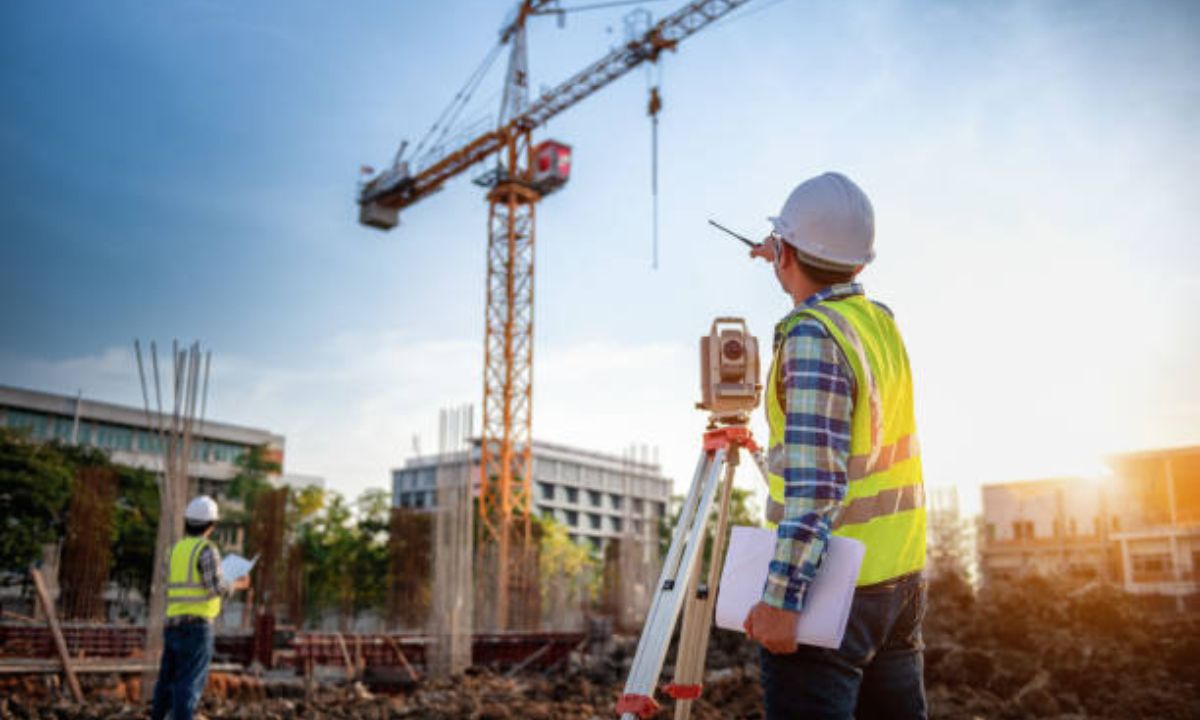
Melbourne is entering one of the most significant periods of civil infrastructure growth in its history. As Australia’s fastest-growing city, it faces the challenge of supporting millions of residents with reliable transport networks, sustainable utilities, and resilient urban systems. The next decade will see a transformation in how civil infrastructure is planned, built, and maintained across Greater Melbourne and regional Victoria.
Expanding Transport and Connectivity
Transport remains the cornerstone of Victoria’s infrastructure agenda. Projects such as the Suburban Rail Loop, the North East Link, and ongoing level crossing removals are reshaping the way Melburnians move around the city. These developments aim to reduce congestion, connect outer suburbs more efficiently, and create new business and residential hubs outside the central business district.
Road upgrades and arterial expansions are also key priorities. Civil contractors are delivering complex works that improve freight efficiency, enhance safety, and support economic activity across the metropolitan area. Integrated transport planning now focuses on connecting rail, road, cycling, and pedestrian infrastructure to create a more cohesive and accessible network for all users.
Supporting Population Growth and Urban Renewal
Melbourne’s population continues to grow at a rapid pace, driving demand for new housing, utilities, and public facilities. Civil construction companies are central to this expansion, preparing sites for residential subdivisions, upgrading stormwater systems, and delivering essential services such as sewer and water pipelines.
Alongside new development, attention is turning to asset renewal. Many of Melbourne’s existing bridges, roads, and drainage networks are ageing and require significant rehabilitation. Future projects will focus as much on maintaining and upgrading these assets as on building new ones. This shift will create steady demand for experienced contractors capable of balancing innovation with long-term maintenance planning.
Sustainability and Climate Resilience
Environmental sustainability is shaping the future of every infrastructure project in Victoria. Civil contractors are adopting new technologies and materials that reduce emissions, conserve resources, and improve resilience to extreme weather.
Sustainable construction now includes recycled materials in pavements and concrete, advanced stormwater management systems, and designs that protect local biodiversity. Climate adaptation is becoming a key consideration, ensuring infrastructure can withstand flooding, heat stress, and changing rainfall patterns.
Projects are increasingly assessed not only on cost and delivery but also on their contribution to net zero targets and community wellbeing. Contractors who demonstrate environmental leadership will be well positioned for future government and private sector opportunities.
Embracing Technology and Innovation
The civil construction industry in Melbourne is also undergoing a digital transformation. Tools such as Building Information Modelling (BIM), drone surveying, and digital twin technology are improving accuracy, efficiency, and asset management.
Automation and data-driven planning allow contractors to deliver projects more safely and efficiently while providing clients with greater transparency. These innovations support collaboration between designers, engineers, and builders, helping to reduce rework and delays.
Building Melbourne’s Future
The future of civil infrastructure in Melbourne is defined by opportunity and responsibility. The city’s continued growth requires smart investment, sustainable construction, and strong partnerships between government, industry, and community.
Civil construction contractors, such as Vine Civil Melbourne, are at the forefront of this transformation, building the transport links, utilities, and public assets that will shape Melbourne’s next generation. By combining innovation, technical excellence, and environmental awareness, the industry will continue to lay the foundations for a resilient and connected future for all Victorians.